Clean Truck Check Pricing in Sacramento: What Sets Cost
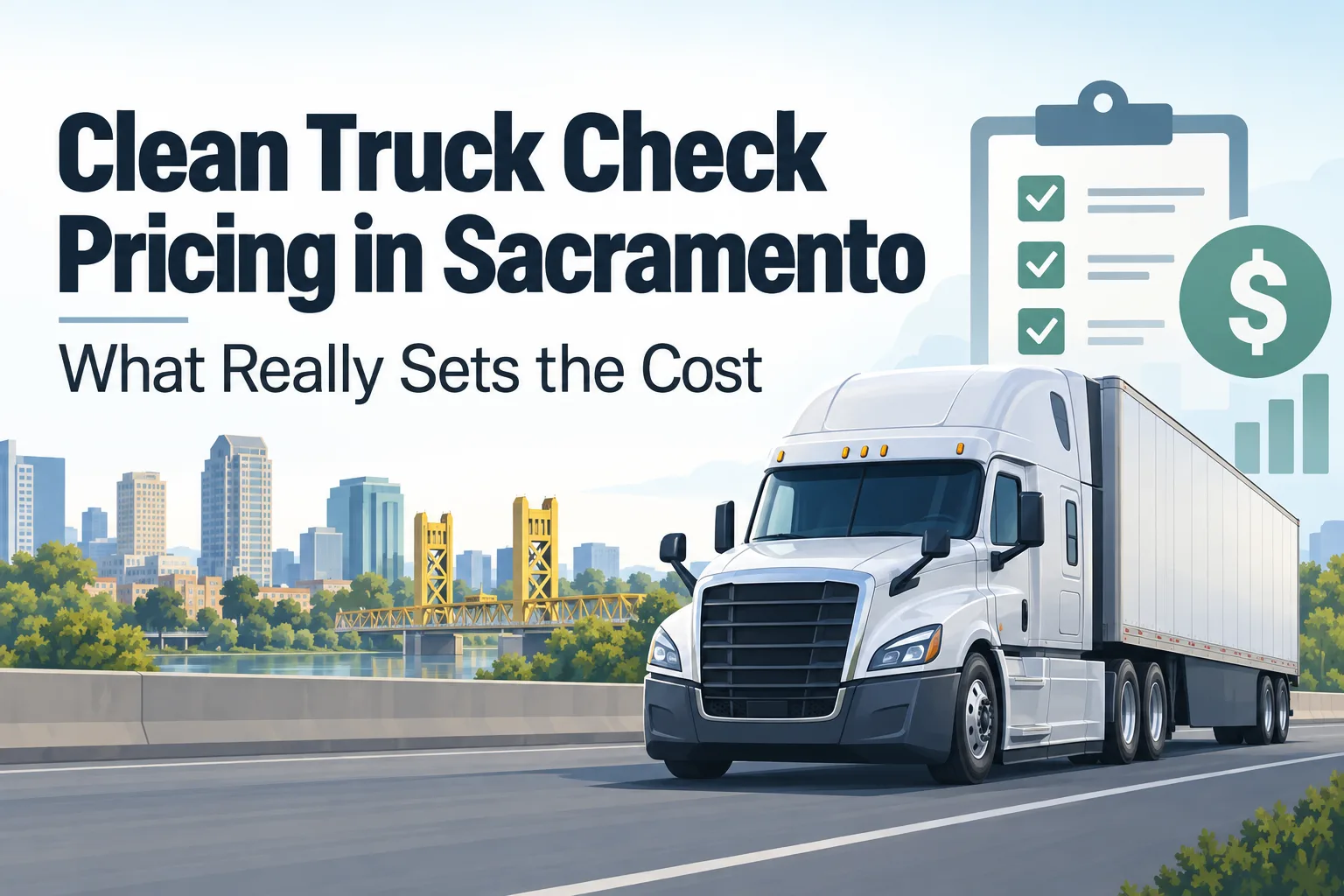
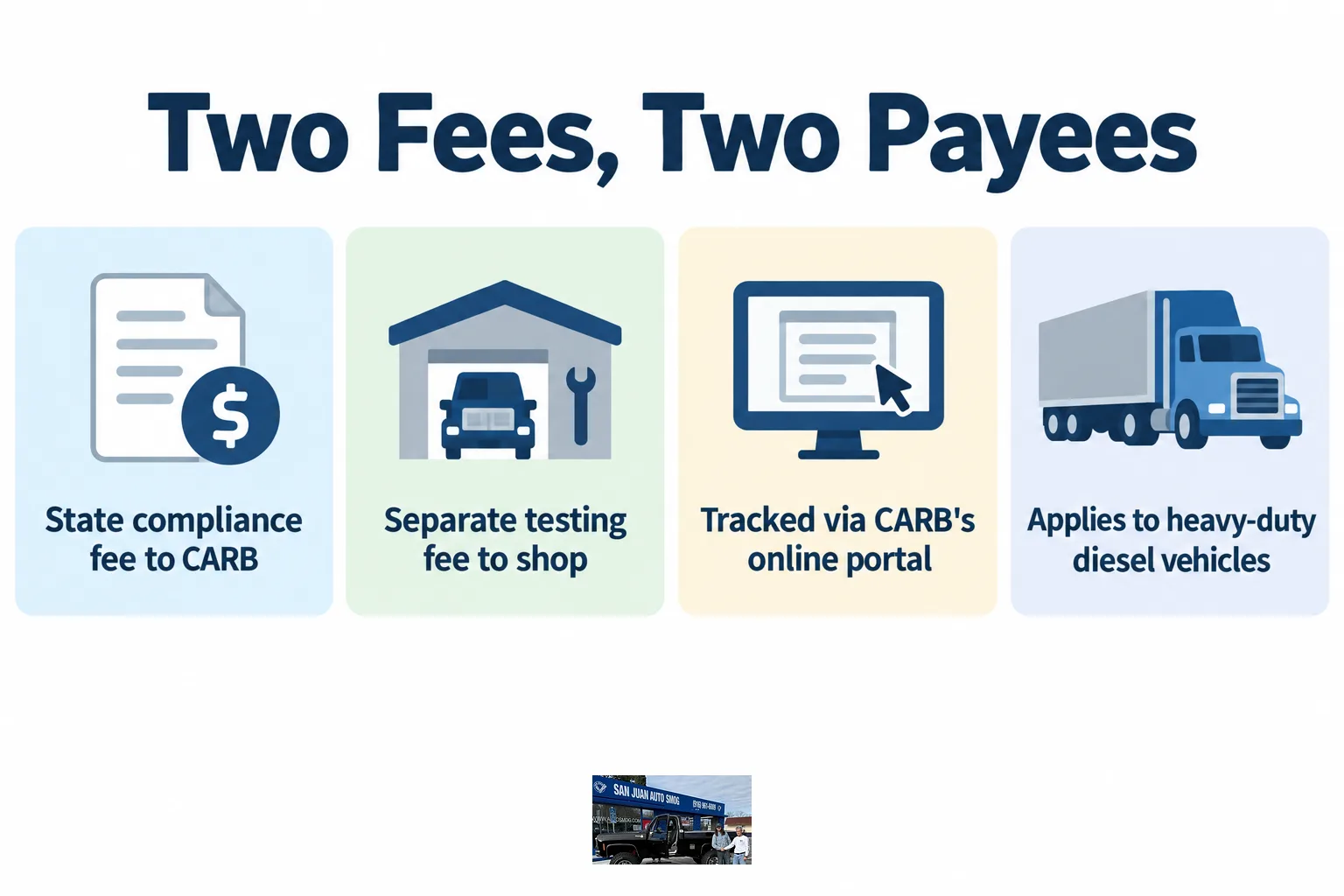
Clean Truck Check pricing in Sacramento isn't one number. It's two: a state compliance fee you pay to California's Clean Truck Check program, and a separate testing fee you pay to whichever station actually inspects your truck. Mixing the two up is the most common reason owners feel blindsided by the total.
The compliance side is run by the California Air Resources Board (CARB), which sets and updates its own fee schedule online. The testing side is set by the shop doing the work, and it moves with vehicle weight class, fuel type, and how long the inspection takes on the lift.
Here's what belongs in each bucket, so you know what you're paying for before you book a slot.
Key Takeaways
- Clean Truck Check pricing has two parts: a CARB compliance fee and a separate testing fee charged by the inspection station.
- CARB publishes and updates its own fee schedule, so check its site directly for current compliance-fee numbers rather than relying on a shop's quote for that portion.
- Testing fees for heavy trucks and diesel vehicles vary by vehicle type, which is why an appointment-based diesel smog check gets you an accurate number before you show up.
- Heavy vehicles and RVs take longer to test than a passenger car, so booking ahead avoids a wasted trip.
- If a truck fails testing, the repair cost — not the test itself — is usually the biggest line item in the total.
Table of Contents
What is the Clean Truck Check program, and why does it affect pricing?
Clean Truck Check is California's statewide program for heavy-duty diesel vehicle emissions compliance, and it adds a state-level fee on top of whatever a shop charges to run the actual test. It replaced the older periodic smog program for trucks and buses above certain weight thresholds. Compliance gets tracked through CARB's own online portal, not a DMV smog certificate, which means the fee you owe the state is set and collected separately from the inspection itself.
Who has to pay the compliance fee?
Owners of heavy-duty vehicles that fall under CARB's program requirements owe the compliance fee, no matter which shop runs the physical test. That fee funds the reporting system CARB uses to track compliance statewide. It doesn't change based on where in Sacramento you get tested.
What actually makes up the testing cost?
The testing fee covers the shop's time, equipment, and labor to inspect your specific vehicle — and that number moves with vehicle type, not with the CARB program fee. A diesel pickup is quick: less time on the lift, less diagnostic work. A motorhome with a hard-to-reach exhaust system, or an older engine that needs extra prep, takes longer and costs more.
Why do RVs and heavy trucks cost more to test than a car?
RVs, vans, and heavy trucks can take up to about an hour to test. A standard passenger vehicle takes much less. That extra time is exactly why appointments are recommended for larger vehicles instead of walking in — the bay and the technician's schedule both have to be planned around the bigger job.
How is this different from a regular smog check price?
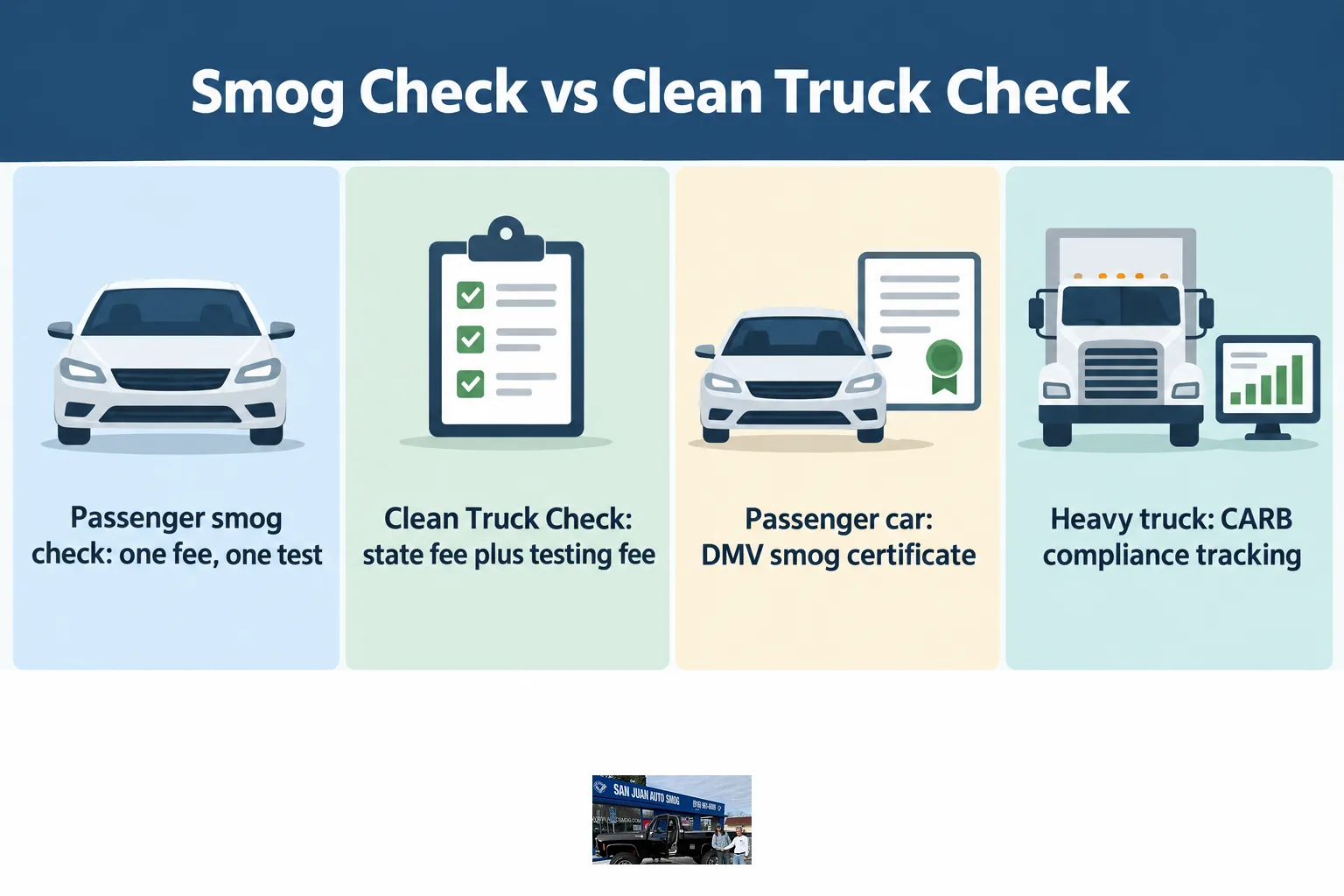
A standard STAR-certified smog check price covers one test on one vehicle with no separate state compliance fee attached, while Clean Truck Check pricing stacks a state fee on top of the inspection. That's the distinction worth remembering: a passenger car smog check is one transaction. A Clean Truck Check vehicle is two.
Does bundling services save money on a truck visit?
Bundling a smog or oil service into the same visit cuts down on trips, which matters more for heavy vehicles that already take longer to schedule. It won't touch the CARB compliance fee — that's fixed by the state — but it can mean fewer separate appointments on your calendar.
What should you check before booking a Clean Truck Check inspection?
- Confirm your vehicle falls under the program. Weight class and vehicle type determine whether Clean Truck Check applies to you, so check CARB's current requirements before assuming your truck needs it.
- Separate the two fees in your head. Ask any shop for a testing-fee quote only, and check CARB's portal directly for the current compliance-fee amount.
- Book ahead for larger vehicles. Appointment slots for RVs, vans, and heavy trucks fill differently than walk-in passenger car testing, so plan around the longer test window.
- Ask what happens on a failure. Find out whether a retest is included or charged separately before you commit to a shop.
Get Your Diesel or Heavy Vehicle Tested in One Visit
San Juan Auto Smog performs STAR-certified smog check testing and offers RV, van, and heavy truck smog check appointments for many diesel vehicles at 4701 San Juan Ave, Fair Oaks, CA 95628, serving Sacramento, Carmichael, Citrus Heights, Orangevale, and Gold River. Pricing depends on your vehicle type, and the shop keeps it transparent — text or call to get a quote before you book, rather than guessing at the total.
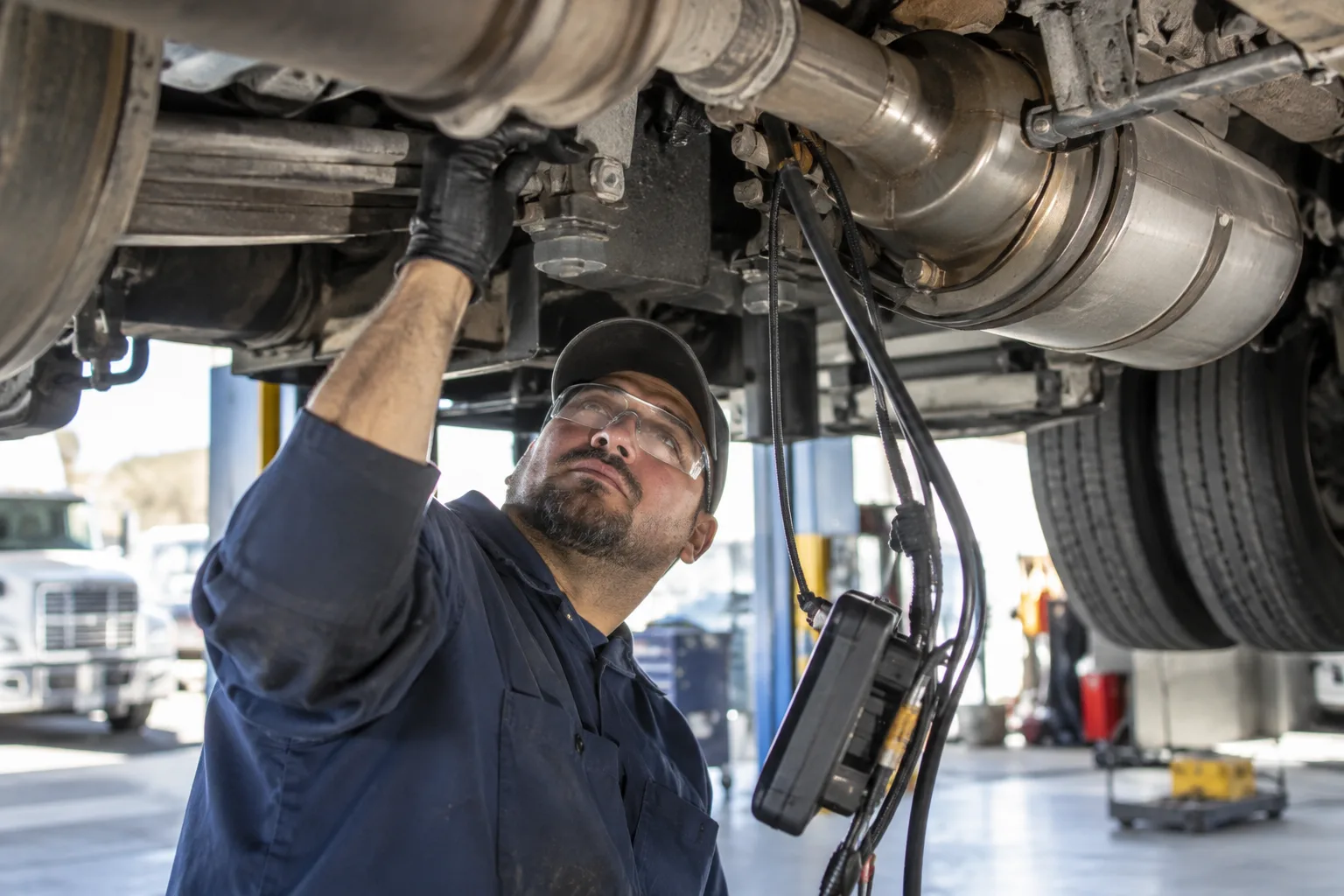
Walk-ins are welcome for 2000-and-newer passenger vehicles, but RVs, vans, and heavy trucks run best by appointment since they take longer on the lift. If you're also due for an oil change, pairing it with your smog visit through the smog + oil change combo saves $45 off booking each separately.
Book or ask about pricing for your specific vehicle through the diesel smog check page.
Frequently Asked Questions
How much does Clean Truck Check cost in California?
The total has two parts: a state compliance fee set by CARB and a separate testing fee charged by the shop performing the inspection. CARB publishes its current fee schedule on its own site, so check there for the exact compliance-fee amount rather than relying on a shop quote for that portion.
Who pays the Clean Truck Check compliance fee?
The vehicle owner pays the compliance fee to CARB's program directly, separate from whatever a testing station charges to perform the inspection. This applies regardless of which Sacramento-area shop does the physical test.
Is Clean Truck Check the same as a regular smog check?
No. A regular STAR-certified smog check applies to passenger vehicles and results in a DMV smog certificate, while Clean Truck Check is a separate CARB program for heavy-duty diesel vehicles with its own compliance tracking and fee structure.
Do all diesel trucks in Sacramento need Clean Truck Check testing?
Only vehicles meeting CARB's weight and vehicle-type thresholds fall under the program, so not every diesel vehicle is required to comply. Check your vehicle's weight class against CARB's current program requirements to confirm.
Why does testing an RV or heavy truck cost more than a car?
Larger vehicles take longer to inspect — up to about an hour compared to a shorter window for a standard car — because of harder-to-access components and more prep time. That longer test window is also why appointments are recommended instead of walk-ins for RVs, vans, and heavy trucks.
What happens if my truck fails the Clean Truck Check inspection?
A failed test typically means repair costs on top of the original testing fee, and possibly a retest fee depending on the shop's policy. Ask about retest terms before booking so you know the full cost picture if a repair is needed.
More articles
- Does California Have Car Inspections? Here's What's Required
- San Juan Auto Smog vs Bluautorepair: A Fair Comparison
- How Often Should I Get My Tires Rotated in Gold River?
- Brake Check in Orangevale: What’s Included and What It Costs
- How to Find an Honest Smog Shop Near Gold River
- How to Make My Car Last Longer in Citrus Heights